Your AI Agent Needs a Sandbox Before It Touches Customer Work
A polished AI agent demo proves one thing: the happy path worked once.
It does not prove the agent can handle duplicate records, stale data, missing permissions, conflicting instructions, or a tool that times out halfway through a task.
Those are not edge cases after launch. They are the job.
This is why a new category of agent infrastructure is forming around simulated work environments. Arga Labs, which announced a $10 million seed round on August 26, is building resettable digital versions of enterprise software so agents can practice complex tasks without changing live systems.
You do not need an enterprise-grade digital twin to apply the lesson. You need a safe place where your agent can fail before a customer pays for the failure.
A chat test is not a workflow test
Most founders test an agent by typing a few prompts and judging the response. That is useful for tone and basic reasoning. It is weak evidence for an agent that takes action.
An action-taking agent works across several steps. It reads data, chooses a tool, changes a record, checks the result, and decides what to do next. One early mistake can quietly compound through the rest of the workflow.
Anthropic makes an important distinction in its guidance on agent evaluations: the transcript is the record of what the agent said and did, while the outcome is the final state of the environment.
That difference matters.
An agent can confidently say, “The customer record has been updated,” while writing to the wrong account. It can report that an email was sent while creating two sends. It can produce a professional summary after pulling information from an outdated source.
A convincing message is not the product outcome. The changed system is.
Your sandbox should mirror the dangerous parts
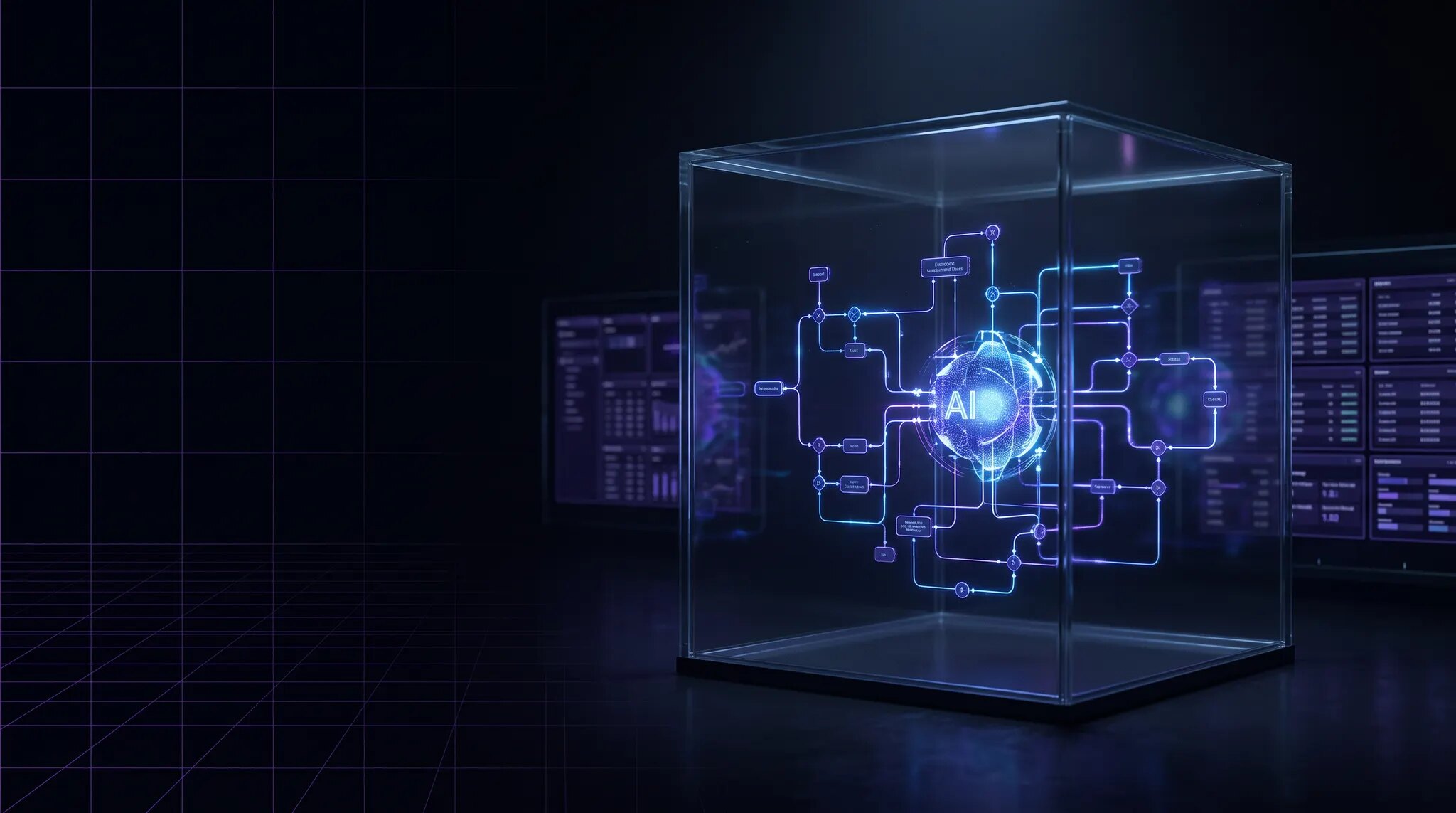
Arga’s approach recreates business applications with permissions, webhooks, and state intact. The environment can be reset, changed, and run again. That makes it possible to test situations that are hard to reproduce safely inside a live CRM or inbox.
A smaller founder can build a simpler version.
Start with the parts of your workflow where a mistake becomes expensive:
- Identity: Can the agent distinguish two people or companies with similar records?
- Permissions: Does it stop when it lacks authority instead of finding a workaround?
- State: Does it recognize that another person or automation already completed the task?
- Sequence: Does it perform steps in the right order and verify each one?
- Recovery: What happens after a timeout, partial write, or malformed response?
- Escalation: Does it hand the case to a person when the evidence conflicts?
Your sandbox does not need to copy every feature of the real system. It needs to preserve the decisions that affect the customer.
For a sales follow-up agent, that may mean fake contacts, account histories, consent status, and email events. For a claims assistant, it may mean sample documents, policy rules, missing evidence, and approval thresholds. For a scheduling product, it may mean calendars, time zones, conflicts, cancellations, and duplicate requests.
Mirror the risk, not the entire software stack.
Build a minimum viable test environment
A practical first sandbox can be a separate database, test workspace, or set of mocked tools populated with realistic but synthetic records.
Then create 20 to 30 scenarios from the workflow you already understand. Include:
- Normal cases the agent should complete without help.
- Ambiguous cases where it should ask a clarifying question.
- Blocked cases where permissions or policy should stop the action.
- Failure cases where a tool returns an error or only completes part of the work.
- Collision cases where another user or process changes the same record.
- Past mistakes drawn from real customer support, manual operations, or pilot feedback.
For each scenario, define the expected final state before you run the agent. OpenAI’s evaluation guidance uses the same basic structure: test data plus grading criteria that determine whether the result is correct.
You can begin without sophisticated infrastructure. A spreadsheet can hold the scenario, starting state, expected state, forbidden actions, and pass/fail result. The important part is that “looks good” is replaced by an observable standard.
Run important scenarios more than once. Agent behavior can vary between attempts, so one passing result is not enough to establish reliability.
Grade actions, restraint, and recovery
Founders often grade only task completion. That rewards agents for reaching the finish line by any available route.
A production-ready scorecard should grade at least four dimensions:
- Outcome: Did the system reach the correct final state?
- Process: Did the agent use approved tools and follow required steps?
- Restraint: Did it avoid duplicate, unauthorized, or unsupported actions?
- Recovery: Did it detect failure, retry safely, or escalate with useful context?
This is especially important when the “correct” behavior is to stop.
If evidence is missing, a good agent may create a review task instead of completing the transaction. If two records conflict, it may preserve both and ask a person to resolve the identity. If a tool fails after a write, it may verify state before retrying.
These behaviors can look less magical in a demo. They create more trust in a business.
Your domain expertise becomes the test suite
Technical builders can create a sandbox. Domain experts know what belongs inside it.
You know which exceptions happen every week. You know which shortcut creates three hours of cleanup. You know when a customer expects speed, when they expect explanation, and when no automation should proceed without approval.
That knowledge should not live only in your head or in a prompt. Turn it into scenarios, expected outcomes, stop conditions, and review rules.
This is the path from domain expertise to a defensible AI product. The model will change. The tools will improve. Your understanding of the work becomes the environment that teaches the product how to behave.
Before your agent touches a live inbox, CRM, financial record, or customer workflow, give it a place to fail safely. Then make every failure improve the test suite.
If you want help turning a workflow you know into a focused AI product, a testable operating system, and a 12-week launch plan, book a strategy call. That is the work we do inside AI Product Accelerator.